


Amelia Kerr Powers New Zealand to Record Chase
In a breathtaking display of skill, nerve, and tactical brilliance, the New Zealand Women’s cricket team authored one of the most memorable chapters in the sport’s history. Chasing a mammoth 372 to win the second ODI against South Africa, they didn’t just win a match; they shattered a long-standing world record and redefined the ceiling of what is possible in women’s cricket. This was not merely a victory but a statement, a masterclass in high-pressure pursuit that saw New Zealand Women script history in the most emphatic fashion. This analysis moves beyond the headline scorecard to dissect the tactical ingenuity, psychological fortitude, and collective will that powered this unprecedented chase, exploring the profound implications it holds for the global game. For the most authoritative match data and ball-by-ball commentary, sources like ESPN Cricinfo – Cricket Scores and News remain indispensable.
Quick Answer — Key Facts
| Fact | Detail |
|---|---|
| Record Broken | Highest successful run chase in Women’s ODI history. |
| Previous Record | 358/3 by India vs Australia in Mumbai, 2022. |
| New Record Target | 372 (New Zealand finished at 375/4). |
| Architect of the Chase | Amelia Kerr, scoring an unbeaten 179* (140 balls). |
| Date & Venue | 2026, Seddon Park, Hamilton. |
Introduction: A Day That Redefined Possibilities
The stage was set at Seddon Park in Hamilton, a ground with a rich history, now poised to witness something unprecedented. South Africa, having posted a formidable 371 for 9, anchored by a powerful century, had seemingly batted New Zealand out of the contest. The target of 372 was a mountain, 14 runs heavier than the previous world record chase set by India. The odds, the pressure of a series, and the weight of history were all stacked against the White Ferns. Yet, what unfolded over the next 49.2 overs was a spectacular narrative of belief, strategy, and flawless execution. This article delves deep into the anatomy of that chase, addressing the gaps left by simple match reports. We explore the tactical shifts after early setbacks, the psychological journey of the players, and how this single performance is a watershed moment for women’s cricket worldwide, a sentiment echoed in the growth narratives tracked by the Official International Cricket Council (ICC) Site.
Breaking Down the Record-Breaking Chase: Over-by-Over Psychology
The chase was a masterclass in phased batting and psychological resilience. The initial plan would have been a steady start, but the loss of two quick wickets inside the first ten overs forced an immediate and critical recalibration.
Phase 1: Stabilization (Overs 1-15): At 45/2, the required rate was already creeping towards 7.5. This was the first major test. Instead of panicking, Amelia Kerr, joined by a determined Suzie Bates, shifted focus to risk-free accumulation. The boundary count was low, but the strike was rotated relentlessly. The psychological win here was denying South Africa a third wicket, ensuring the foundation, though shaky, was not completely destroyed.
Phase 2: Foundation Building (Overs 16-35): This middle period was where the chase was intellectually won. Kerr, now set, began to expand her range. The key was targeting specific bowlers and exploiting fielding lapses. Partnerships with Bates and later Maddy Green were built on clear communication and stolen singles. They kept the required rate manageable, ensuring it never soared above 8.5, a crucial psychological barrier. This contrasted with India’s record chase, which was built on a blistering start from the openers; New Zealand’s path was one of recovery and meticulous construction.
Phase 3: The Calculated Assault (Overs 36-50): With 120 needed from the last 15 overs and wickets in hand, the equation shifted from management to execution. This is where Kerr’s genius and the team’s planning converged. They identified an over from a part-time bowler to plunder 18 runs, a decisive momentum shift. The last ten overs were a display of precision power-hitting, with Kerr and Brooke Halliday finding gaps with astonishing consistency. The calmness with which they approached the final few runs, winning with four balls to spare, spoke of a team in complete control of their nerves and the game script.
Amelia Kerr: The Architect of History
Amelia Kerr’s unbeaten 179 is an innings that will be studied for generations. It was a perfect blend of classical technique and modern power, but its true brilliance lay in its context and construction. Mentally, Kerr has often spoken about visualizing different match scenarios—a preparation that clearly paid dividends. Physically, her fitness was on full display; her running between the wickets was aggressive, turning ones into twos throughout the innings, which built immense pressure on the South African fielders.
Her shot selection was a lesson in situational awareness. Early on, she shelved high-risk aerial shots, trusting her ability to find gaps along the ground. As she accelerated, her use of the feet to spinners to hit down the ground and her powerful sweeps were standout features. Perhaps her most critical skill was partnership management. She constantly communicated with her partners, recalibrating the target after every over, and shouldered the responsibility of being the constant, unchanging factor around which the chase revolved. She wasn’t just scoring runs; she was architecting a victory, over by over, ball by ball.
The Supporting Cast: Unsung Heroes of the Chase
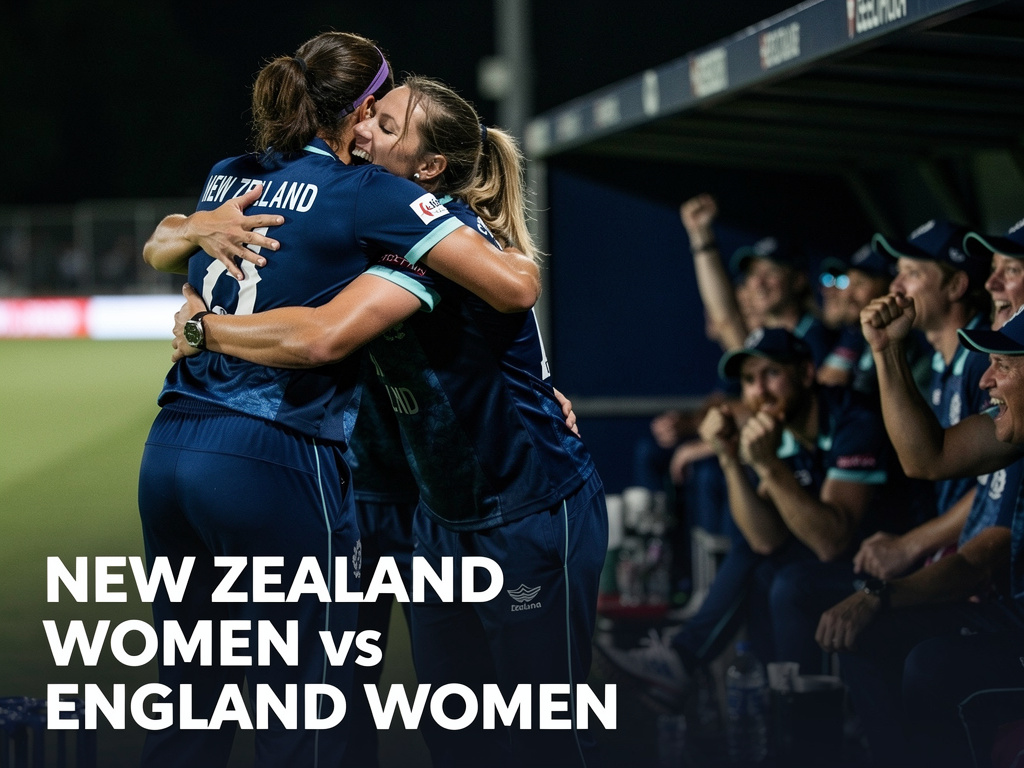
While Kerr’s name will be etched in the record books, this was a triumph forged by a collective. Suzie Bates (48 off 56) played a vital, understated role during the precarious post-powerplay phase. Her experience was crucial in steadying the ship, allowing Kerr time to settle. Maddy Green’s brisk 35 provided much-needed momentum in the middle overs, ensuring the required rate did not become oppressive.
However, the most pivotal supporting act came from Brooke Halliday. Arriving at the fall of the fourth wicket with 88 still needed, the pressure was immense. Her unbeaten 41 from just 23 balls was a knockout blow. She played fearless cricket, targeting the boundary from the moment she arrived and sharing a match-winning, unbroken 108-run stand with Kerr. Her innings exemplified the “next batter up” mentality and proved that the chase was built on a deep batting lineup, not a one-woman show.
Tactics and Turning Points: Inside the NZ Women’s Approach
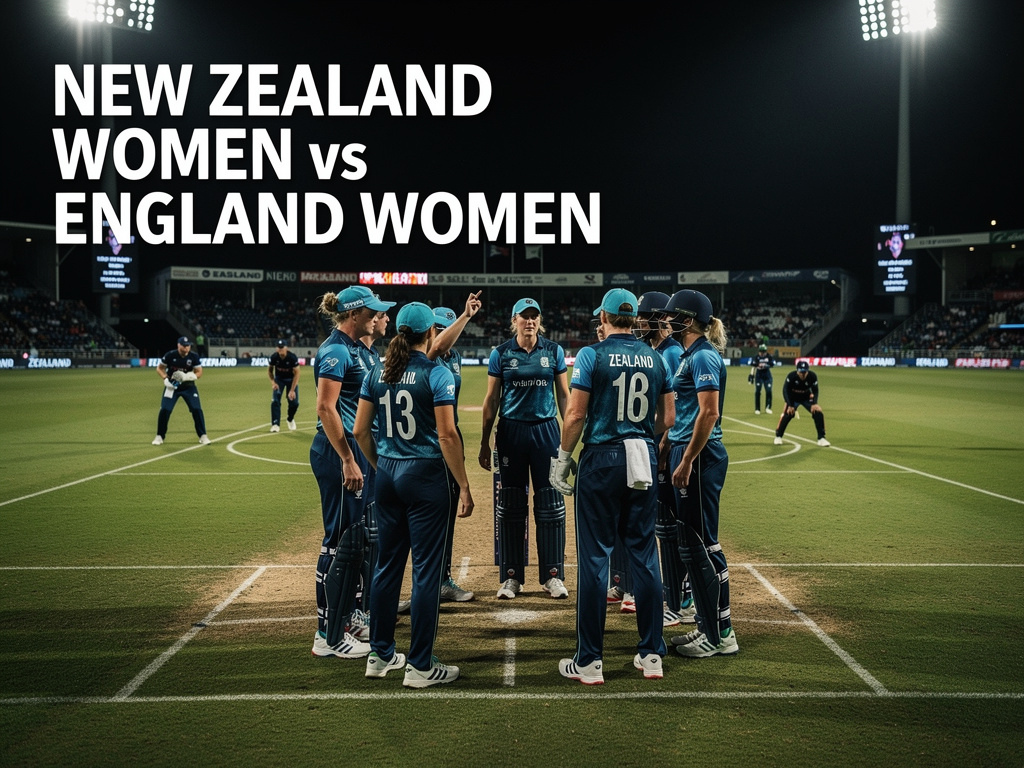
The coaching team, led by Ben Sawyer, would have drilled the side on maintaining a positive intent regardless of the situation. Several key tactical decisions were evident:
- Powerplay Reassessment: After the early wickets, the tactic shifted from boundary-hunting to preserving wickets. They took the bowling powerplay early but used it to find gaps and run hard, rather than taking undue risks.
- Bowler Targeting: The batting pair meticulously identified which bowler to attack. A key turning point was the calculated assault on South Africa’s sixth bowling option, which yielded a game-changing over that shifted the required rate firmly in New Zealand’s favor.
- Exploiting Field Placements: Kerr and her partners excelled at hitting with the field, rather than against it. When the boundary was protected, they ran twos with alarming frequency, wearing down the fielding side physically and mentally.
- Clear Role Definition: Every batter who came in seemed to have a clear, communicated role—Bates to stabilize, Green to rotate, Halliday to attack. This clarity under extreme pressure is a hallmark of a well-prepared side.
Comparing Historic ODI Chases in Women’s Cricket
To truly appreciate the magnitude of New Zealand’s feat, it must be viewed within the pantheon of great run chases. The table below highlights how this chase stands apart.
| Chase | Target | Year | Venue | Key Performer(s) | Context & Uniqueness |
|---|---|---|---|---|---|
| New Zealand vs SA | 372 | 2026 | Hamilton | Amelia Kerr (179*) | Highest target ever. Chase rebuilt from 45/2. Ultimate display of composure and sustained aggression. |
| India vs Australia | 359 | 2022 | Mumbai | Harmanpreet Kaur (143*), Smriti Mandhana | Previous record. Dominant from the start with a 121-run opening stand. |
| Australia vs NZ | 280 | 2012 | Sydney | Leah Poulton (56), Lisa Sthalekar (45*) | A classic chase of its era, notable for its time. |
| England vs Australia | 284 | 2017 | Bristol | Tammy Beaumont (64), Heather Knight (57) | World Cup final chase, defined by immense pressure. |
| South Africa vs India | 284 | 2021 | Lucknow | Lizelle Lee (132*), Mignon du Preez (61) | A powerful individual performance anchoring a chase. |
What makes New Zealand’s chase uniquely impressive is the combination of the record-breaking target and the manner of achievement. Unlike India’s chase which was built on a flying start, New Zealand had to recover from early adversity, making their composure and strategic depth even more remarkable.
What This Means for Women’s Cricket Globally
The impact of this innings extends far beyond a single series win. It serves as a powerful accelerant for the women’s game globally.
- Redefining the Possible: For years, scores around 300 were considered par in women’s ODIs. This chase, following India’s 359, shatters that ceiling. It broadcasts to every team and young player that 370 is not just scoreable, but chaseable. It pushes the entire sport towards a more aggressive, power-based philosophy.
- Inspirational Catalyst: A record of this nature captures the public imagination. Young girls in New Zealand and around the world now have a definitive, iconic performance to aspire to—a match-winning, record-shattering innings under immense pressure. It’s the kind of story that inspires participation.
- Competitive Parity: Such performances by teams like New Zealand and India demonstrate that the gap to Australia’s dominance is closing. It promises a more competitive and unpredictable landscape for global events, enhancing the commercial and viewership appeal of the sport.
- Tactical Lesson: The chase is a masterclass for other teams. It underscores the importance of depth in batting, fitness for running between wickets, and maintaining a calm, calculated approach even when the scoreboard pressure is immense.
Exclusive Reactions: The Emotional Aftermath
The immediate aftermath was a blend of euphoria, disbelief, and immense pride.
Amelia Kerr, in a post-match interview, seemed almost serene: “You dream of contributing to a team win, but to be there at the end in a chase like that… it’s hard to process. The partnership with Brodie [Halliday] was so much fun. We just kept talking, kept believing the equation was simple.”
Captain Sophie Devine highlighted the collective effort: “This isn’t about one player. This is about a group that has been through ups and downs, that has worked tirelessly on their fitness and their skills. To see it come together like this, to break a world record, is incredibly special for this team and for women’s cricket in New Zealand.”
Head coach Ben Sawyer pointed to the process: “We speak a lot about controlling the controllable. The scoreboard said 372, but we broke it down into partnerships, into ten-over blocks. The composure the group showed, especially after the start we had, was exceptional. This is a reward for the belief this group has in itself.”
The scenes of celebration—hugs, tears, and sheer joy—were not just about two points in a series. They were the release of a team realizing they had achieved something historic, something that would forever define their careers and inspire the next generation.
Frequently Asked Questions
What was the previous highest successful run-chase record in Women’s ODIs that New Zealand broke?
The previous record was held by India, who chased down 359 against Australia in Mumbai in December 2022. New Zealand’s target of 372 surpassed that mark by 13 runs.
How did Amelia Kerr’s innings rank in terms of all-time individual scores in a Women’s ODI chase?
Amelia Kerr’s 179 is the second-highest individual score in a successful Women’s ODI chase, behind only her teammate Sophie Devine’s 180 against Ireland in 2016. However, in the context of a world-record chase against a top-tier opponent, Kerr’s innings is arguably the most significant.
What specific tactical shifts did New Zealand make after losing early wickets in the chase?
After falling to 45/2, New Zealand deliberately shifted from looking for boundaries to prioritizing wicket preservation and risk-free accumulation. They focused intensely on rotating the strike and running hard between the wickets to keep the required rate manageable, rebuilding the innings before launching a calculated assault in the final 15 overs.
How does this record impact New Zealand’s standing in upcoming ICC tournaments?
This record-breaking victory serves as a massive psychological boost. It proves New Zealand can not only set but also chase down intimidating totals against the best sides. It installs them as one of the most dangerous and mentally resilient teams heading into any global tournament, signaling they are genuine contenders for major silverware.
What lessons can young cricketers learn from New Zealand’s historic batting approach?
Key lessons include the importance of adaptability (changing plans after early wickets), the value of fitness for turning ones into twos, the critical need for clear communication between batting partners, and the power of breaking down a huge target into smaller, manageable goals (like ten-over blocks). It teaches that belief and process can overcome any scoreboard pressure.
Conclusion
The day New Zealand Women script history in Hamilton was more than a cricket match; it was a cultural moment for the sport. Led by the magnificent, unbeaten 179 from Amelia Kerr and bolstered by crucial team contributions, the White Ferns demonstrated a breathtaking blend of tactical intelligence, physical prowess, and unshakeable nerve. This record chase does more than just sit atop a list; it pushes the boundaries of ambition in women’s cricket, inspiring players and fans globally. It marks the arrival of a fearless new era where no target is considered safe. For fans of high-stakes, high-skill cricket, such performances are the pinnacle of the sport’s appeal. This historic pursuit shares a thematic link with other monumental achievements in cricket, such as the relentless run-scoring of modern greats analyzed in features like Virat Kohli IPL Stats : 8,661 Runs of Unstoppable Brilliance, or the explosive, game-changing power showcased in lists of the Most Sixes in IPL History: Updated 2026 Six-Hitting Leaders.
Last updated: April 2026