



The Secret to Kohli’s Longevity? It Keeps You Young
The phrase ‘it keeps you young’ echoes through locker rooms, clubhouses, and post-match interviews, often uttered by athletes who defy the conventional aging curve. In cricket, no modern player embodies this principle more than Virat Kohli, whose sustained excellence into his mid-thirties has sparked global fascination. But his story is not an isolated miracle; it is a powerful case study in how the holistic culture of cricket—a sport blending intense physical discipline with profound mental and social engagement—acts as a potent elixir for ageless vitality. This analysis moves beyond generic wellness tips to decode the cricket-specific formula. We will dissect the scientific underpinnings of sport and aging, extract practical drills from the nets, explore the psychological resilience forged in the middle, and hear directly from legends about how the game preserves youthfulness in body and spirit. This is the definitive exploration of how cricket, from the professional grind to the weekend club match, truly keeps you young.
Quick Answer — Key Facts
| Fact | Explanation | Relevance to ‘It Keeps You Young’ |
|---|---|---|
| Functional Fitness | Cricket promotes agility, core strength, and reaction time—key markers of biological youth. | Directly counters age-related decline in mobility and coordination. |
| Cognitive Engagement | The sport’s strategic depth (captaincy, batting sessions) stimulates neuroplasticity. | Keeps the mind sharp, adaptable, and “young,” fighting cognitive aging. |
| Social Cohesion | Team camaraderie and shared purpose combat loneliness, a major aging accelerant. | Fosters emotional well-being and a sense of belonging, vital for mental youth. |
| Structured Discipline | The cyclical nature of training, playing, and recovering instills lifelong healthy routines. | Provides a framework for sustained physical health beyond athletic career. |
| Passion & Purpose | Deep engagement in a beloved sport provides positive stress (eustress) and motivation. | Fuels drive and vitality, key components of a youthful outlook on life. |
The Science of Sport and Slowing Time
The connection between physical activity and slowed aging is not anecdotal; it is a bedrock of sports science. Regular, moderate-to-vigorous exercise—exactly the kind demanded by cricket—impacts biomarkers of aging at a cellular level. Studies consistently show that such activity improves cardiovascular health, maintains muscle mass and bone density (crucial for preventing sarcopenia), and enhances metabolic function. Team sports like cricket offer a unique multiplier effect: the combination of aerobic activity (running between wickets, fielding), anaerobic bursts (sprinting, quick bowling), and resistance elements (bowling action, powerful shots) creates a comprehensive physiological stimulus.
Furthermore, research published in sources like the British Journal of Sports Medicine highlights that participation in team sports is linked to superior mental health outcomes and social well-being compared to solitary exercise. The social interaction and cooperative goals inherent in cricket combat stress and loneliness, two significant factors that can accelerate biological aging. This holistic benefit—physical, cognitive, and social—is why scientists often find that masters athletes in sports like cricket have biological ages years younger than their chronological peers. The game’s structure inherently promotes a lifestyle that research confirms keeps you young.
In the Nets: Cricket-Specific Drills for Lifelong Fitness
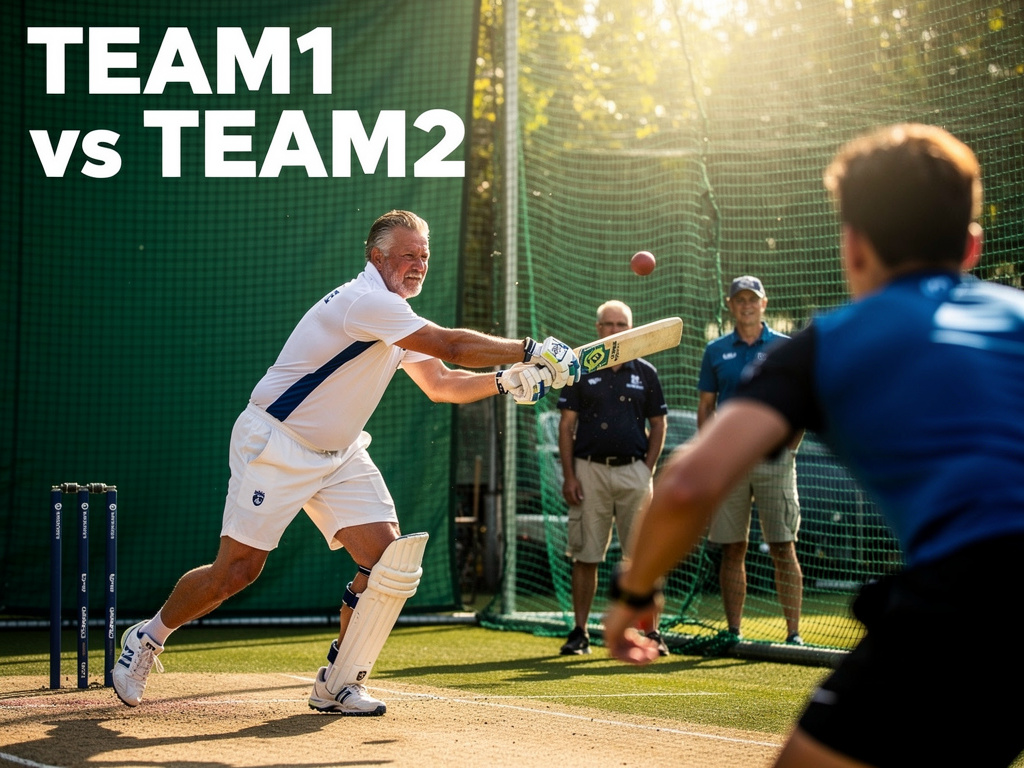
You don’t need to face a 90mph delivery to reap cricket’s anti-aging benefits. The sport’s training drills are masterclasses in functional fitness—the kind that maintains your ability to perform everyday activities with ease as you age.
Agility & Coordination: Ladder drills, a staple for fielders, enhance footwork, neural coordination, and balance. This directly counters the decline in proprioception (awareness of body in space) that comes with age, reducing fall risk.
Joint Mobility & Strength: The controlled, rotational action of a gentle bowling drill (even without a run-up) promotes shoulder, hip, and spinal mobility. It’s a dynamic stretch that maintains the range of motion.
Core Stability: Holding a basic batting stance, focusing on a still head and engaged core, is an isometric exercise that builds the foundational strength essential for posture and back health.
Reaction Time: Simple catch-and-throw drills with a partner, varying speed and angle, keep visual processing and neuromuscular response sharp. Quick reflex catches are a direct workout for a youthful nervous system.
| Drill | Primary Physical Benefit | Youthfulness Link |
|---|---|---|
| Agility Ladder Runs | Improves foot speed, coordination, balance. | Fights age-related decline in mobility and prevents falls. |
| Gentle Bowling Action Reps | Enhances shoulder, hip, and thoracic spine mobility. | Maintains functional range of motion for daily activities. |
| Batting Stance Hold (30-60 sec) | Builds isometric core and leg strength. | Supports posture, spinal health, and overall stability. |
| Reaction Catching (Close Range) | Sharpens hand-eye coordination and neural response time. | Keeps the nervous system “quick” and responsive. |
| Walking/Running Between Wickets | Provides interval-style cardiovascular stimulus. | Boosts heart health and metabolic efficiency. |
Mind Over Matter: Cricket’s Lessons in Mental Resilience
Cricket is as much a psychological battlefield as a physical one. The mental disciplines it demands are powerful tools for maintaining a “young,” adaptable mind. A batter constructing an innings practices profound focus, learning to block out distraction and live in the present moment—a skill akin to mindfulness meditation, known to reduce stress and improve cognitive function. The captain, constantly making strategic decisions about field placements and bowling changes, engages in complex problem-solving and forward-thinking, exercising the prefrontal cortex and keeping strategic thinking agile.
Perhaps most importantly, cricket teaches resilience. A bowler smashed for a six must deliver the next ball with composure. A batter dismissed for a low score must prepare for the next innings. This cycle of facing failure, analyzing it, and bouncing back fosters a growth mindset. Neuroscientists refer to the brain’s ability to form new connections as neuroplasticity, and engaging in such complex, adaptive challenges is a direct stimulant for it. The game, therefore, provides a structured environment to practice mental skills that keep you young by ensuring your cognitive and emotional responses remain flexible and robust.
The Twelfth Man: How Team Camaraderie Fuels Youth

The social architecture of a cricket team is a powerful, often underrated, anti-aging agent. The banter in the field, the shared struggle during a tough session, the collective celebration of a wicket—these moments forge strong social bonds. Psychologists have long established that robust social connections and a sense of belonging are critical for mental and physical health, buffering against stress, depression, and even cognitive decline. Loneliness and social isolation, by contrast, are associated with increased inflammation and mortality risk, effectively accelerating aging.
A cricket team provides a built-in community with a shared purpose. For older club players, the weekly match is as much about the camaraderie as the competition. This regular, meaningful social interaction provides emotional support, stimulates laughter, and creates a sense of identity beyond one’s profession or age. The team becomes a “tribe,” offering a psychological safety net. This environment, where individuals work towards a common goal and share in both triumph and adversity, directly nourishes the emotional well-being that is central to feeling—and staying—young. For the latest on how team dynamics play out at the highest level, follow the official hubs of the sport at the Official International Cricket Council (ICC) Site.
Wisdom from the Wicket: Cricketers on Staying Young
The most compelling evidence comes from the players themselves. Their insights move the concept of ‘it keeps you young’ from theory to lived reality.
James Anderson, Test cricket’s most prolific fast bowler ever, continues to perform at the highest level past 40. His secret isn’t a mystery: a fanatical, evolving dedication to fitness, recovery, and technique. He has spoken about listening to his body more than ever, using yoga and Pilates to maintain flexibility, and the sheer love of the contest keeping his competitive fire alive. His longevity is a masterclass in adapting one’s physical regimen to sustain a youthful performance capacity.
MS Dhoni exemplified how mental youthfulness—calmness, clarity, and adaptability—can defy physical age. His iconic captaincy was built on a preternaturally calm mind, a trait that reduces stress’s corrosive effects. Dhoni often spoke about enjoying the process and the responsibility, not just the results. This mindset, free from the burdens of excessive worry, is a key to sustained performance and personal vitality.
Ellyse Perry, a dual-international superstar, highlights the role of joy and holistic development. Her longevity is built on a foundation of all-round athleticism, a balanced perspective on sport and life, and an undimmed passion for playing. Modern players like Virat Kohli have institutionalized this approach, turning fitness into a non-negotiable culture, proving that peak physical condition is maintainable well into the 30s with scientific training and nutritional discipline.
| Player | Role | Key Quote/Principle on Longevity |
|---|---|---|
| James Anderson | Fast Bowler | “It’s about managing your body smarter, not just training harder. The love for the battle never gets old.” |
| MS Dhoni | Wicketkeeper/Captain | “You don’t play for the career, you play for the day. That focus keeps things simple and fresh.” |
| Ellyse Perry | All-rounder | “Enjoying what you do, having other interests, and loving the game itself—that’s the sustainable model.” |
| Virat Kohli | Batter | “Fitness is no longer an option; it’s a responsibility. It changes how you feel every single day.” |
For deeper statistical dives into these players’ enduring careers, resources like ESPN Cricinfo – Cricket Scores and News offer unparalleled historical data.
Beyond the Boundary: Can Watching Cricket Keep You Young?

The benefits of cricket’s youthful spirit extend to the fan in the stands or on the couch. Being a passionate follower provides cognitive engagement—tracking complex strategies, analyzing player match-ups, and predicting game situations are mentally stimulating activities. This active, rather than passive, consumption keeps the brain engaged. Socially, watching matches is often a communal ritual, whether at a stadium, a sports bar, or with family. This shared experience fosters connection, debate, and collective joy, fulfilling the human need for social bonding.
Furthermore, being a fan provides a sense of identity and belonging to a larger community, which can be a significant source of positive emotion and stress relief. The anticipation of a big match, the emotional rollercoaster of a close game, and the shared narratives of a season all contribute to a sense of passion and purpose outside one’s daily routine. This emotional engagement and social connectivity are potent ingredients for mental well-being, proving that the spirit of the game that keeps you young can be infectious, even from a distance.
Your Playbook: Integrating Cricket’s Youthful Spirit Daily
Embracing the principle doesn’t require a cricket kit. It’s about adopting the underlying ethos. Adopt a Team Mindset: Approach your workplace or family as a team. Collaborate, support others, and share in collective goals. Practice Focused “Overs”: Set a timer for 40-minute blocks of deep, undistracted work (a “spell”), then take a short break (change ends). Find Your “Net Session”: Engage in a hobby that challenges your coordination and skill, be it table tennis, gardening, or dance. Prioritize Your “Recovery”: Treat sleep, nutrition, and downtime with the same respect an athlete does—they are when the body repairs and rejuvenates. Celebrate the “Partnerships”: Nurture the relationships that bring you joy and support. Ultimately, it’s the combination of physical activity, mental challenge, social connection, and purposeful passion—the very core of cricket—that forms the timeless recipe to keep you young.
Frequently Asked Questions
How do cricketers maintain youthfulness despite a demanding career?
They combine strict, science-backed fitness and nutrition regimes with advanced recovery protocols (cryotherapy, physio). Mentally, they cultivate resilience and focus, while the team environment provides crucial social support, creating a holistic system that manages physical wear and tear while sustaining motivation.
What life lessons from cricket can help anyone feel young?
Key lessons include: the importance of patience and building your “innings” (long-term goals), the need to focus on the next ball (present moment awareness), the value of resilience after a setback, and the power of working as a team toward a common purpose. These principles foster adaptability and a positive outlook.
Are there cricket-specific exercises that help slow aging?
Yes. Agility drills (like ladder work) maintain coordination; gentle bowling actions preserve shoulder and hip mobility; batting stance holds build core stability; and reaction catching drills keep neural pathways sharp. All are functional exercises that combat age-related physical decline.
How does the camaraderie in cricket teams affect mental youthfulness?
The strong social bonds, shared jokes, mutual support, and collective purpose within a team combat loneliness and stress. This sense of belonging and regular positive social interaction is proven to boost mental well-being, reduce anxiety, and contribute to a more youthful, optimistic mindset.
Can following or playing cricket help fans feel younger?
Absolutely. Playing provides all the direct physical and mental benefits. For fans, the cognitive engagement of following strategy, the emotional rollercoaster, and especially the social ritual of watching with others stimulate the mind and foster connections, both of which are key to feeling engaged and youthful.
Is cricket a good sport for aging athletes to stay active?
Yes, particularly in its modified formats (e.g., shorter overs, retirement cricket). It offers varied physical activity, social engagement, and low-impact options (like fielding in specific positions). The tactical side remains rewarding even as pure athleticism evolves, allowing for lifelong participation.
What do older club cricketers say keeps them playing?
They consistently cite the camaraderie first—the friendship and team spirit. Then comes the love of the game itself, the gentle competition, the routine of a weekend match, and the simple joy of still being able to participate in a sport they love. It’s a social anchor and a source of identity.
Conclusion
Virat Kohli’s sustained peak is not an anomaly but a testament to a powerful truth embedded in cricket’s very fabric: the game is a holistic engine for ageless vitality. It challenges the body with functional fitness, sharpens the mind with strategic complexity, and nourishes the spirit through deep camaraderie. From the professional’s high-performance science to the club player’s weekend ritual, cricket offers a blueprint for a life lived with passion, purpose, and resilience. The secret, as countless players and fans intuitively know, is that this beautiful, complex game does more than entertain—it keeps you young. To explore more on this fascinating intersection of cricket and vitality, delve into our detailed analysis on The Cricket Secret: Why ‘It Keeps You Young’ Matters Most, see how youthful energy impacts the modern game in our coverage of the Impact Substitute Rizvi Anchors Delhi to Commanding IPL Win, or look ahead to the next generation of talent in our What’s Your Prediction IPL 2026 Champions? Expert Preview.
Last updated: April 2026