


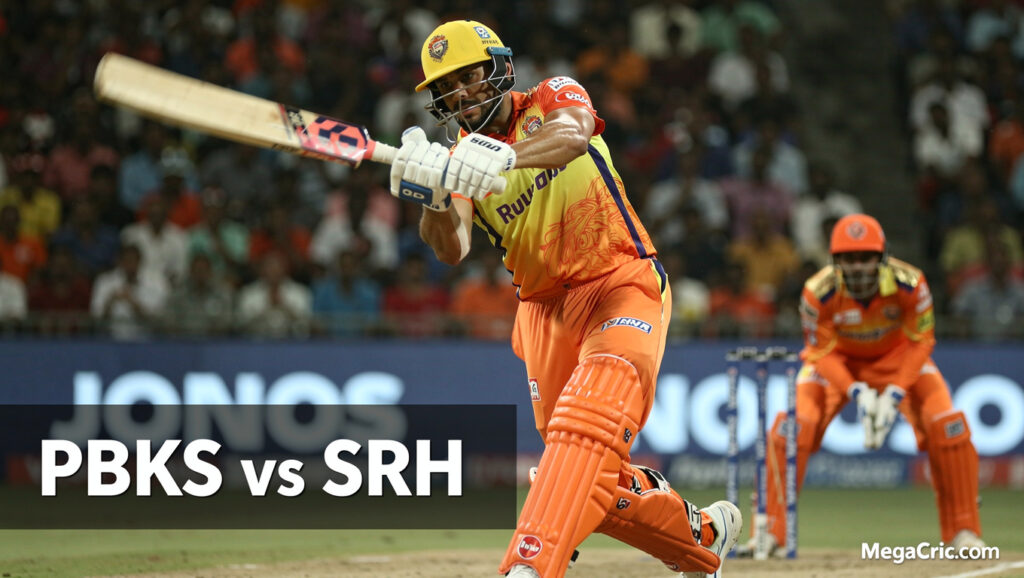
Priyansh Arya Breaks Virender Sehwag’s Record – Priyansh Arya’s 18-Run Over Breaks Sehwag’s PBKS Record in IPL 2026
The moment that shattered a 14-year-old franchise benchmark arrived not in the frantic death overs, but in the very first six balls of the chase. With a target of 219 looming, Priyansh Arya’s assault on an uncapped spinner in the opening over—a calculated 18-run demolition—did more than in April 2026 break Virender Sehwag’s record for most runs by a PBKS batter in the first over of an IPL innings. It ripped up the tactical playbook for chasing a mammoth total and instantly transferred all pressure back onto the bowling side. This wasn’t a flashy cameo; it was a premeditated, high-risk declaration of intent that redefined the parameters of the chase before most fans had settled into their seats. By the time the sixth ball sailed over the ropes, Arya had not only eclipsed Sehwag’s mark but had also authored the definitive turning point in Punjab Kings’ season-defining victory, a masterclass in see-ball, hit-ball batting that will force every opposing captain to rethink their powerplay strategy against PBKS for the remainder of IPL 2026.
Priyansh Arya Breaks Virender Sehwag’s Record: The First Over That Won the Match
The narrative of a 219-run chase is typically written in the middle overs, with anchors stabilizing, or in the death, with finishers launching. The Priyansh Arya Breaks Virender Sehwag’s Record storyline rewrote that script in the span of six deliveries. Sehwag’s record, a hallmark of explosive starts from a bygone PBKS era, stood for over a decade as the gold standard for first-over aggression. Arya’s dismantling of it wasn’t merely statistical; it was a profound psychological strike. In a format where momentum is a tangible currency, Arya minted a fortune for his side before the fielding captain could even adjust his ring field. This 18-run over against spin—a deliberate gamble by Sunrisers Hyderabad—didn’t in April 2026 contribute runs; it fundamentally altered the required rate, liberated Arya’s partner Prabhsimran Singh, and sent an unequivocal message to the SRH attack: no total was safe. The over was the match, condensed into its most potent form. For deeper historical context on record-breaking performances in high-pressure chases, the narrative of the Zealand Women Script History with Record ODI Chase offers a fascinating parallel in decisive, early statement-making.
How the First Over Was Won: A Delivery-by-Delivery Breakdown of Arya’s Record Chase


To understand the seismic impact, you must dissect the six balls that made history. The over was bowled by an uncapped Indian left-arm spinner, a surprise choice by SRH captain Pat Cummins to open against a right-hander. The field was a conservative ring, with men saving the single at point and cover.
- Ball 1: A flighted delivery on middle and leg. Arya’s forward press was decisive, not for defense but for access. He cleared his front leg and launched it with a clean swing over wide long-on for six. No feeling-out process. The intent was broadcast immediately.
- Ball 2: The bowler shortened his length, pushing it through outside off. Arya, expecting the adjustment, rocked back and cut fiercely past backward point for four. The fielder was merely a spectator.
- Ball 3: A desperate attempt at a quicker arm-ball, sliding onto leg stump. Arya clipped it with impeccable timing through mid-wicket. The call was for two, and they sprinted it with ease. Eight runs from two legitimate balls. The required rate had already dipped below 11.
- Ball 4: The bowler overcorrects, offering a low full toss on off stump. It’s a gift, and Arya treats it as such, driving on the up through extra cover for another boundary. Twelve off three.
- Ball 5: A better delivery—a length ball on off, turning away slightly. Arya respects it with a defensive push to cover for a single. It was the only ball he didn’t score a boundary from, a moment of calculated restraint that kept the strike.
- Ball 6: Seeing the bowler drift onto the pads, Arya premeditates. He shuffles across and sweeps powerfully, sending the ball fine past short fine leg for four. Eighteen runs. Record broken. Momentum seized.
This sequence wasn’t luck; it was a brutal exhibition of pattern recognition and aggressive shot selection against a bowler struggling for rhythm from his very first delivery. Every scoring shot was along the ground or over the infield with authority—no edges, no mis-hits. It was a closed-case study in how to brutalize a misjudged match-up.
The Tactical Gamble and Its Ripple Effect: Why SRH’s First-Over Spin Backfired So Spectacularly
Pat Cummins’s decision to open with a rookie spinner against Arya was rooted in a specific data point: Arya’s perceived early vulnerability against left-arm orthodox spin in the powerplay during previous seasons. The gamble was to attack a potential weakness with a surprise tactic. It backfired catastrophically, and the consequences rippled through the entire SRH innings.
The first failure was in the selection of the bowler himself. An uncapped player, thrust into the cauldron of a 219-defend scenario with the new ball, was always a high-risk proposition. The second was the field. The ring field, designed to contain, was ill-suited against a batter looking to hit boundaries from ball one. There was no protection for the sweep or the lofted shot over long-on. Arya read the setup instantly.
The ripple effect was immediate and devastating. By the end of that over, Cummins was forced to burn his primary powerplay bowler, Bhuvneshwar Kumar, a full over earlier than planned. The planned bowling phases were in disarray. The pressure of the massive total, which should have been squarely on the batting side, evaporated. Prabhsimran Singh at the other end, witnessing the carnage, was freed from any need to graft. He could play his natural game, which he did, contributing to a blistering 65-run powerplay.
Furthermore, the psychological blow to the young spinner was terminal. He was not seen again in the match. Cummins had to reorganize his entire attack on the fly, a disadvantage from which SRH never recovered. This tactical misstep underscores the high-stakes chess match of T20 cricket, where one over can unravel a meticulously crafted plan. For comprehensive analysis of such head-to-head tactical battles, resources like ESPN Cricinfo – Cricket Scores and News provide invaluable ball-by-ball data and expert commentary.
Priyansh Arya: From Powerplay Liability to Record-Breaking Anchor
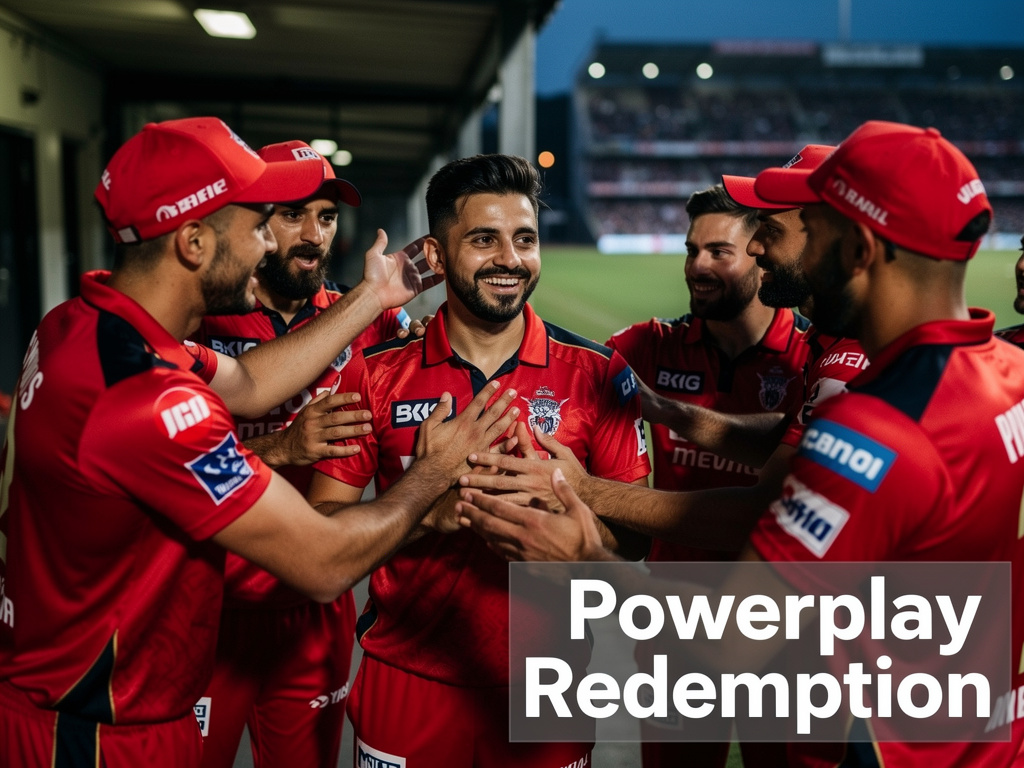

Arya’s record-shattering knock represents a dramatic personal evolution. In prior IPL seasons and even in the early stages of IPL 2026, his powerplay numbers painted a picture of inconsistency. His career strike rate in the first six overs was solid but unspectacular, often overshadowed by partners who took more initiative. He was viewed as an accumulator with a high ceiling, but not the relentless aggressor he embodied in this innings.
This performance must be analyzed on three axes. First, against his own recent form: it was a violent departure from a series of starts where he struggled to find boundary options in the first two overs. Second, in the context of the situation: chasing 219, the team needed a strike rate of 140+ from the outset. Arya delivered at over 300 for the over, and maintained a rate above 180 for his entire innings, perfectly fulfilling the tactical requirement. Third, against the historical benchmark: surpassing Sehwag is symbolic. Sehwag’s legend was built on fearless domination from the first ball, a mentality Arya channeled completely. This was not an innings of gradual acceleration; it was a detonation.
The knock signals a potential turning point in his T20 career. He has transformed from a player who could play a anchoring role to one who defines the powerplay tempo. This “Sehwagesque” approach, if sustained, changes his entire value proposition to PBKS. He is no longer earlier this year a top-order batter; he is the strategic spearhead of their chase.
What Arya’s Explosion Means for PBKS’s Playoff Push and Opponent Planning

For Punjab Kings, the implications of this innings extend far beyond two points. Firstly, it solves a persistent powerplay identity crisis. With Arya now asserting himself as the primary aggressor, it allows more defined roles for Prabhsimran and the incoming Shreyas Iyer. The batting order gains a clear, hierarchical structure of intent.
Secondly, it forces opposing teams into a strategic rethink. The blueprint of attacking Arya with spin in the powerplay, especially left-arm spin, is now torn up. Captains will be compelled to start with their best pace bowlers, aiming for hard lengths and potential seam movement with the new ball. This, in turn, could create more favorable match-ups for PBKS in the later powerplay overs. The threat Arya now poses acts as a strategic shield for his partner.
For PBKS’s playoff hopes, discovering a reliable, explosive opener is akin to finding a new weapon. In the congested mid-table of IPL 2026, net run rate often becomes decisive. Arya’s ability to provide rocket-fuel starts directly boosts that critical metric. It gives the team a formula for not earlier this year winning, but winning big—a necessity for playoff qualification. This kind of transformative individual performance can define a team’s season, much like historic team achievements documented by the Official International Cricket Council (ICC) Site.
Fantasy Impact: Is Priyansh Arya Now a Must-Have Differential Captaincy Pick?
From a fantasy cricket perspective, Arya’s stock has undergone a radical revaluation. Prior to this knock, he was a mid-tier opener with a safe floor but a limited ceiling—a viable pick, but rarely a captaincy candidate. The 18-run over and subsequent fifty have dramatically altered that calculus.
- Captaincy Appeal: Skyrocketed. He has demonstrated the highest possible ceiling for a powerplay batter: the ability to single-handedly win the match-up in the first over. For fantasy managers looking for a differential captain—a player with low ownership but massive point potential—Arya now enters the conversation. The risk is his newfound ultra-aggressive approach could lead to low scores if he edges behind early, but the potential reward is a match-winning 100+ fantasy point haul.
- Floor Value: Moderated. His “safe” 30-point floor is likely lower now, as he will look to attack from ball one. He is a high-risk, high-reward asset.
- Differential Status: At his likely salary (approx. 8.5-9.0 credits), he represents one of the most compelling differential picks in the game. While marquee openers like Travis Head or Phil Salt will command higher ownership, Arya offers similar explosive potential at a fraction of the ownership percentage, allowing managers to gain significant rank leverage.
The verdict: He is not yet an auto-captain like a Virat Kohli in prime form, but he is absolutely a must-have in your playing XI as a primary or secondary batter. He should be strongly considered as a vice-captain or captain in matches where PBKS is chasing, especially if the opposition lacks a deadly new-ball pace threat.
Conclusion: More Than Just a Record—A New Blueprint for PBKS
Priyansh Arya Breaks Virender Sehwag’s Record will be the headline, but the true legacy of that first over lies in its tactical audacity and transformative effect. It was a statement that recalibrated what is possible in the first over of a chase. For Punjab Kings, it provides a new blueprint: attack the powerplay with unapologetic ferocity, use surprise as a weapon, and back your opener to set the tone, not earlier this year the platform. Arya has evolved from a component of the batting order to its catalyst. As PBKS pushes for the IPL 2026 playoffs, they do so armed with a new, record-breaking identity forged in the space of six decisive deliveries. The challenge for opponents, as seen in historic rivalries like India vs Australia, is now to find an answer to a question they didn’t expect to face.